
In today's competitive business landscape, operational excellence is no longer a luxury—it's a necessity. Organizations must consistently deliver quality, maintain efficiency, manage resources effectively, and execute projects on time to remain competitive.
While technology and process improvements play a critical role in achieving operational excellence, people remain the most important factor. The quality of a workforce often determines whether a project succeeds or fails.
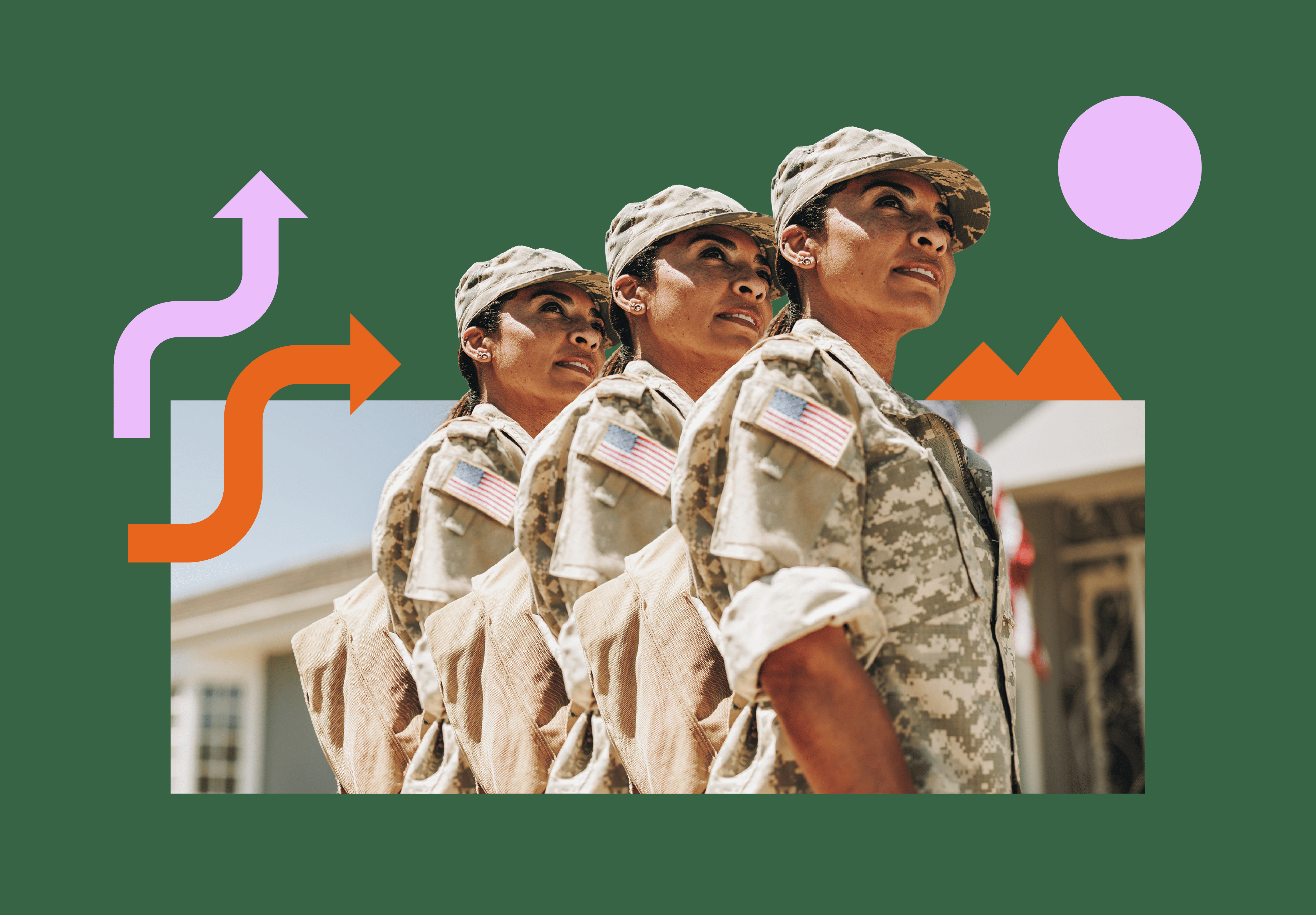
This is one reason why many organizations are increasingly recognizing the value of veteran talent. Former armed forces personnel bring a unique combination of discipline, leadership, adaptability, accountability, and execution-focused thinking that directly contributes to operational success.
Across industries such as logistics, infrastructure, manufacturing, facility management, security, field operations, and workforce management, veterans are helping businesses improve performance and achieve operational excellence.
This article explores how veteran talent strengthens organizations and creates measurable business value.
What Is Operational Excellence?
Operational excellence refers to an organization's ability to consistently execute its strategy while improving efficiency, quality, productivity, and customer satisfaction. Businesses that achieve operational excellence typically demonstrate:
- Strong workforce performance
- Efficient processes
- High accountability
- Consistent service delivery
- Effective leadership
- Continuous improvement
At its core, operational excellence is about creating a culture where people and processes work together to achieve outstanding results.
Why Businesses Are Hiring More Veterans
Veterans undergo years of intensive training in environments that demand:
These qualities are highly transferable to business operations. Unlike many traditional hiring profiles, veterans often possess practical experience managing teams, handling responsibility, and performing under pressure.
As a result, businesses increasingly view veteran talent as a strategic asset rather than simply a recruitment option.
Discipline Drives Consistent Performance
Discipline is one of the most recognized qualities associated with military professionals. In the armed forces, discipline ensures:
- Process adherence
- Timely execution
- Operational consistency
- Accountability
Business Impact
Veterans bring this disciplined approach into the workplace by following procedures effectively, meeting deadlines consistently, maintaining high performance standards, and reducing operational errors. Consistency is one of the key foundations of operational excellence.
Strong Leadership Skills
Military personnel often gain leadership experience early in their careers. They are trained to:
- Lead diverse teams
- Delegate responsibilities
- Make decisions under pressure
- Motivate individuals toward common objectives
Business Impact
Veterans often excel in team leadership, workforce supervision, project coordination, and operations management. Their leadership capabilities help improve team performance and project execution.
Accountability and Ownership
In military environments, accountability is essential. Every individual understands their responsibilities and takes ownership of outcomes.
Veteran employees typically:
- Accept responsibility for tasks
- Focus on achieving results
- Take initiative when challenges arise
- Maintain high levels of professionalism
Business Impact
Organizations benefit from a culture of ownership and reliability.
Exceptional Teamwork and Collaboration
Military success depends on teamwork. Personnel are trained to prioritize collective objectives over individual recognition.
Veterans contribute to:
- Stronger collaboration
- Better communication
- Improved team cohesion
- Shared accountability
Business Impact
This team-oriented mindset improves workplace culture and operational effectiveness.
Ability to Perform Under Pressure
Military professionals are trained to remain calm and focused in demanding situations. They routinely manage:
- Tight deadlines
- Complex operations
- Resource limitations
- High-pressure environments
Business Impact
Veterans often excel in industries where operational reliability is critical. Their ability to manage stress helps organizations maintain performance during challenging periods.
Superior Problem-Solving Skills
Operational challenges are inevitable. Military training emphasizes:
- Rapid assessment
- Strategic thinking
- Decision-making
- Adaptability
Business Impact
Veterans approach problems methodically and focus on solutions rather than obstacles. This mindset helps organizations resolve issues efficiently and minimize operational disruptions.
Commitment to Mission Success
Military culture is built around mission accomplishment. Personnel are trained to stay focused on objectives regardless of obstacles.
Veterans understand the importance of:
- Meeting targets
- Delivering quality outcomes
- Supporting organizational goals
- Maintaining operational standards
Business Impact
Veterans often bring a results-oriented approach to business operations. This commitment contributes directly to project success.
Adaptability in Dynamic Environments
Military operations frequently require personnel to adapt to changing circumstances.
Veterans can quickly adjust to:
- New technologies
- Process changes
- Operational requirements
- Organizational transformations
Business Impact
In today's rapidly changing business environment, adaptability is essential. Their flexibility helps businesses remain agile and competitive.
Improved Workforce Reliability
Reliability is a critical component of operational excellence. Organizations depend on employees who can be trusted to perform consistently.
Veterans are often recognized for:
- Professionalism
- Dependability
- Punctuality
- Commitment
Business Impact
Reliable employees reduce operational disruptions and improve overall productivity.
Strong Focus on Safety and Compliance
Military environments emphasize strict adherence to safety protocols and operational procedures.
Veterans often help organizations:
- Improve workplace safety
- Reduce compliance risks
- Strengthen operational standards
- Promote responsible work practices
Business Impact
This is particularly valuable in industries such as manufacturing, logistics, infrastructure, and field operations.
Industries Where Veteran Talent Creates Significant Value
Veterans contribute to operational excellence across numerous industries, including:
Logistics and Supply Chain
Improved coordination and execution.
Infrastructure Projects
Disciplined workforce management and project delivery.
Manufacturing
Process adherence and productivity improvements.
Facility Management
Reliable service delivery and operational oversight.
Security Services
Risk management and operational control.
Field Operations
Leadership, accountability, and workforce supervision.
Their versatile skill set makes them valuable across diverse operational environments.
How Veteran Talent Supports Workforce Management
Organizations managing large teams often face challenges related to:
- Workforce productivity
- Attendance
- Accountability
- Communication
- Project execution
Veteran professionals help address these challenges by bringing:
- Leadership capabilities
- Structured management practices
- Performance-driven mindsets
- Strong communication skills
These qualities improve workforce effectiveness and operational efficiency.
Building a Veteran-Friendly Workforce Strategy
Organizations seeking to leverage veteran talent should:
Recognize Transferable Skills
Understand and value the practical experience veterans bring from military service.
Provide Career Transition Support
Help veterans navigate the transition from military to corporate environments.
Create Leadership Opportunities
Many veterans thrive in positions of responsibility and leadership.
Encourage Professional Development
Support ongoing growth to help veterans build successful long-term careers.
Foster Inclusive Workplace Cultures
Organizations that value diverse experiences benefit from stronger teams and improved performance.
A structured approach helps businesses maximize the value veterans bring to their workforce.
The Future of Veteran Talent in Business
As businesses increasingly prioritize operational excellence, demand for veteran professionals is expected to grow. Organizations are recognizing that veterans offer more than technical skills—they bring leadership, discipline, resilience, and a commitment to excellence that strengthens business performance.
In an era where workforce quality is a key competitive differentiator, veteran talent provides a unique advantage.
Conclusion
Operational excellence depends on having the right people, processes, and leadership in place. Veteran talent contributes significantly to all three areas through discipline, accountability, teamwork, adaptability, and execution-focused thinking.
Businesses that integrate veterans into their workforce often experience improvements in productivity, project execution, workforce management, and operational reliability.
As organizations continue to seek ways to improve performance and scale effectively, veteran talent will remain a valuable resource for achieving sustainable operational excellence and long-term business success.